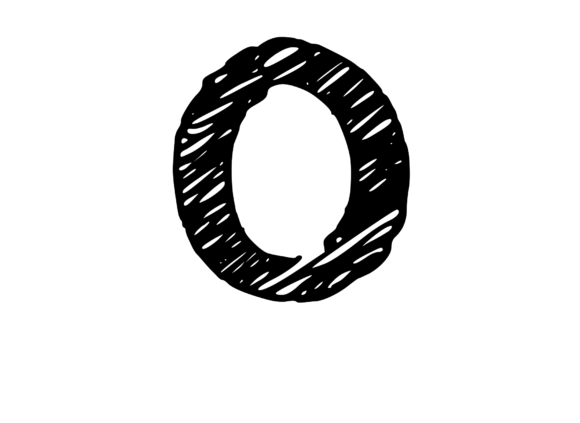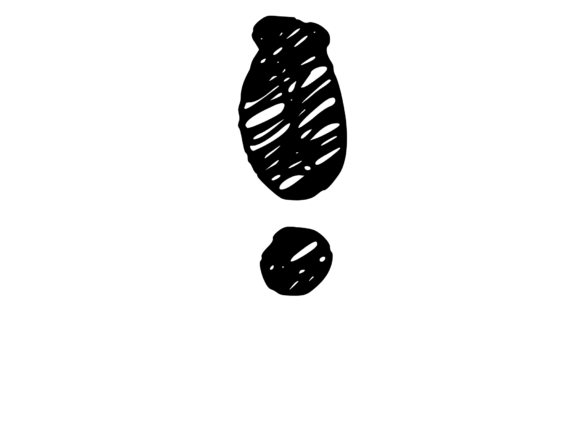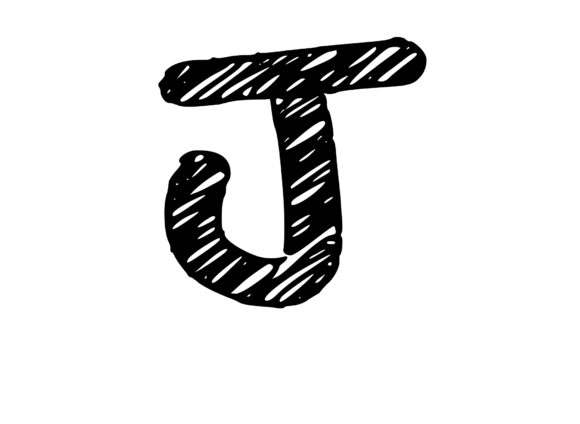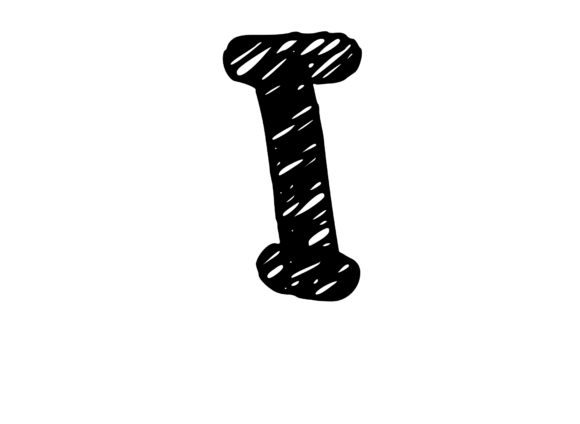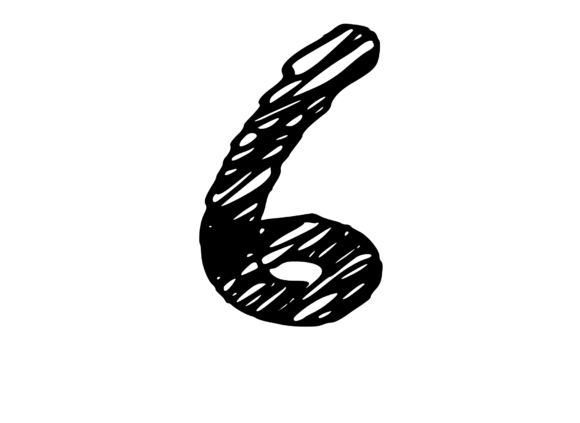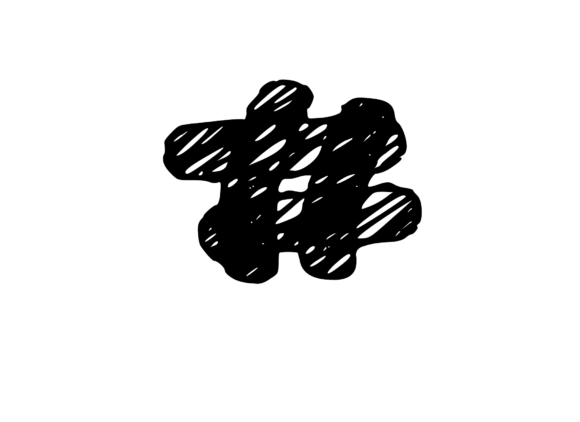
Rough and Messy Scribbled Mono¢: An Embroidery Designer’s Hands‑On Review
I have been digitizing and stitching custom embroidery for over a decade, and I have seen a lot of design files that look great on screen but fall apart under a needle. When I first opened Rough and Messy Scribbled Mono¢, my immediate reaction was curiosity. The name alone tells you what you are getting: a deliberately unpolished, hand‑drawn monogram that leans into imperfection. After running it through several real‑life embroidery projects, I want to share what works, what needs attention, and where this file truly shines for makers and small shop owners.
First Impression: A Scribble That Feels Alive
The moment I previewed this design, I noticed the uneven line weights, the slight wobbles in the letterforms, and the raw energy that a perfectly smooth vector never captures. It reads as something drawn by hand on paper, not plotted by software. That character makes it stand out immediately in a market full of sterile, perfect monograms. For anyone running a craft business or selling personalized gifts, that human touch can be the difference between a product that feels factory‑made and one that feels like a labor of love.
Because the design lives in the Graphics category as an SVG, you have flexibility to scale, recolor, or combine it with other elements before turning it into an embroidery file. That is a real advantage when you are building a product line and want a consistent look across custom apparel, embroidered patches, or home goods.
Real‑Life Scenario: From Digital File to Stitched Tote Bag
I decided to test Rough and Messy Scribbled Mono¢ on a medium‑weight canvas tote bag. Tote bags are a staple for Etsy sellers and small shop merchandise because they sell quickly and offer a generous canvas for bold designs. I wanted to see how the messy edges translated into thread.
I converted the SVG to a machine embroidery file, choosing a medium hoop size to give the monogram breathing room. I used a black satin stitch for the main letterforms against a natural cotton background. Right away, I noticed that the irregular strokes created a beautiful, tactile texture. The satin stitch followed the organic curves without looking stiff. On a finished tote, the design felt intentional—like a hand‑inked artist signature rather than a mass‑produced label.
I also tested it as a single‑color design in white on a dark indigo denim apron. The contrast was striking, and the rough edges actually helped the lettering stay readable because the slight variations in line width gave the eye more visual anchors. That is often a problem with ultra‑thin, perfectly uniform fonts—they can disappear into textured fabric. Here, the natural unevenness works in your favor.
Where Rough and Messy Scribbled Mono¢ Performs Best
After stitching it on multiple substrates, I can confidently recommend this design for projects that benefit from a handmade, artistic feel. Here are the applications where it truly delivers:
- Custom apparel: Sweatshirts, t‑shirts, and denim jackets love this look. The scribbled style feels casual and contemporary, perfect for boutique brands or artist‑driven collections.
- Tote bags and canvas accessories: The bold, uneven strokes hold up well on heavier fabric and give a product instant personality.
- Embroidered patches: Because the design is already rough, you can stitch it as a patch without worrying about tiny details getting lost. It reads well from a few feet away, which matters for patches intended for backpacks or jackets.
- Baby embroidery: I tested it on a soft organic cotton onesie using a pale green thread. The playful, messy vibe fits nursery decor and personalized baby gifts without looking overly formal.
- Holiday gifts and wedding gifts: Paired with a clean font for a secondary line of text, this monogram adds a modern, handcrafted accent to towels, pillow covers, or keepsake blankets.
- Small shop merchandise and craft fair products: Items with this design sell because they look original. Buyers perceive more value when they see visible art direction rather than generic clip art.
Areas That Need Careful Planning
No design is perfect for every situation, and Rough and Messy Scribbled Mono¢ has a few limitations that I want you to know about before you commit to a batch of products.
Small Hoop Sizes and Tiny Details
If you try to scale the monogram down to fit a very small area—say, a cap front or the corner of a baby bib—the uneven strokes can become muddled. The rough edges that look charming at 4 inches wide can start to look unintentional at 1.5 inches. I recommend a minimum finished size of about 2.5 to 3 inches for the main letterform to keep the character intact.
Thin and Stretchy Fabrics
On lightweight knits or jersey, the satin stitch sections may cause puckering if you do not use the right stabilizer and tension. The design is not overly dense, but the irregular stroke widths mean some areas will have more thread buildup than others. Test on a scrap first, and consider a tear‑away or cut‑away stabilizer depending on the fabric. For stretchy fabric, a cut‑away stabilizer is almost always the safer choice.
Dark Fabric and Thread Contrast
Because the design relies on its rough edges to create visual interest, extreme contrast can either enhance or overwhelm it. On black fabric with white thread, the messy lines pop beautifully. On dark fabric with dark thread, the details can disappear. I suggest always previewing your thread colors on a black and white mockup to ensure the wobbly strokes remain visible. A metallic or light‑colored thread on a dark background tends to give the best readability.
Curved Surfaces Like Caps
Caps and hats have a curved surface that can distort the design if you are not careful. The rough lettering is forgiving because the imperfections blend with the natural distortion, but you still want to center the design properly and use a hoop that accommodates the garment shape. A small cap hoop is fine as long as the monogram is not scaled down too aggressively.
Products That Need Frequent Washing
Tea towels, kitchen linens, baby clothes, and everyday apparel see a lot of wear and laundering. The design itself does not have excessive stitch density, but the satin stitch segments can snag if not well‑secured. A quality digitizing job with proper underlay and tie‑off stitches will prevent early unraveling. If you are buying the file pre‑digitized, confirm that the original digitizer accounted for commercial laundering. If you are converting the SVG yourself, pay close attention to the stitch path in areas where the strokes thin out.
Visual Appeal, Stitching Clarity, and Product Value
One of the strongest aspects of Rough and Messy Scribbled Mono¢ is how it elevates the perceived value of a finished product. In an era where buyers can find mass‑produced items anywhere, visible artistry matters. A tote bag or sweatshirt with this monogram feels like a limited edition piece. That perception translates into higher price points and stronger buyer engagement in your shop or at craft fairs.
From a stitching clarity standpoint, the design is forgiving. Minor registration errors or slight fabric shifts are absorbed by the organic lines. I have seen many machine embroidery designs that require perfect placement or the whole piece looks wrong. This one hides small imperfections gracefully, which is a huge relief when you are stitching multiple items for a craft business or fulfilling a rush order for a client.
For brand consistency, you can use this monogram as a signature element across your product line. Pair it with clean, complementary graphics or a simple border, and you build a recognizable look without adding complexity. It works equally well as a standalone accent or as part of a larger layout.
Practical Designer Notes Before You Stitch
I always run a checklist before committing a new design to production. Here are the steps I recommend for Rough and Messy Scribbled Mono¢:
- Test on scrap fabric first. Use the exact fabric type you plan to sell on, and note how the stitch reacts to different weaves.
- Check thread color contrast. Hold your thread spools against the fabric in natural light. The rough strokes need enough contrast to stay legible.
- Review stitch density. If you are converting the SVG yourself, adjust the density so the satin fills are not too tight. Overly dense areas can distort the fabric and cause the needle to break.
- Confirm hoop size. Make sure the design fits comfortably within your hoop with at least half an inch of margin on all sides.
- Inspect small details. If you plan to shrink the design, stitch a test at the target size and examine whether the rough edges still read as intentional.
- Test in black and white mockups. A grayscale preview helps you see contrast issues before you invest time in threading.
- Compare light and dark fabric backgrounds. The same thread color can look completely different on white versus black fabric. Choose accordingly.
- Use proper stabilizer. For wovens, a medium tear‑away usually works. For knits, go with a cut‑away. For towels or terry, use a water‑soluble topping to keep the stitches from sinking into the pile.
- Check commercial licensing. Since the product description notes it is an SVG for artists, designers, and crafters, verify that you have the right to sell finished products or digital embroidery files made from this asset. When in doubt, contact the creator.
Final Thoughts for the Maker and Seller
Rough and Messy Scribbled Mono¢ is not a design for every order, but it is a powerful tool when you want to communicate authenticity and a human touch. It fits naturally into the Crafts category because it encourages real‑world making rather than just digital consumption. For apparel decorators, creative entrepreneurs, and hobbyists who want their work to feel distinctive, this monogram offers a shortcut to that handmade aesthetic without requiring you to draw it yourself.
Whether you are stitching a one‑of‑a‑kind personalized gift for a client, building inventory for an upcoming craft fair, or creating printable mockups for your digital product shop, the messy scribble format gives you room to experiment. It works on sweatshirts, baby clothes, pillow covers, holiday decorations, and boutique branding projects. Just respect its limitations around size and fabric choice, and you will have a reliable, conversation‑starting design that customers actually notice and remember.
If you are ready to add raw, artistic energy to your next embroidery project, this one is worth the download. Test it, tweak it, and let it become part of your signature style.