Rough and Messy Scribbled Mono 0: A Designer's Hands-On Review
When I first opened Rough and Messy Scribbled Mono 0, I admit I paused. The name alone tells you this isn't a polished, pristine design. It's raw, it's unrefined, and it carries a deliberately hand-drawn energy that feels almost rebellious in the world of machine embroidery. As someone who has stitched hundreds of designs for clients and my own small shop, I've learned that not every embroidery file needs to be neat. Sometimes the market craves something that looks like it was sketched in a notebook, not rendered by software. This design sits firmly in that lane, and that is exactly its strength.
Let me walk you through what this machine embroidery design actually feels like when you move from screen to fabric. I'll share how it performs in real project use, where it shines, where it needs a careful hand, and whether it belongs in your craft business toolkit.
First Impressions: Mood and Visual Personality
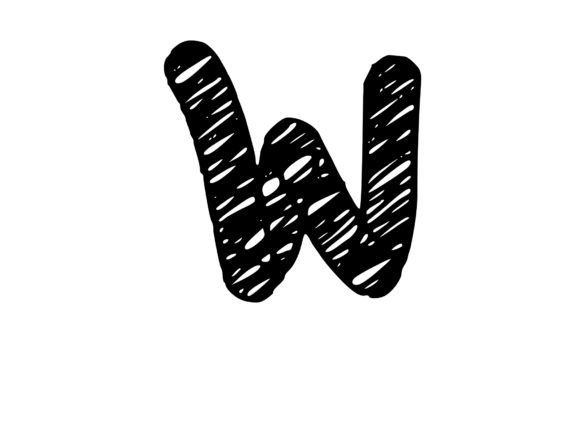
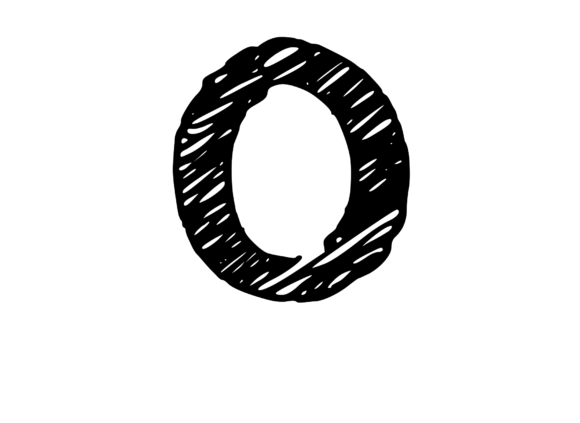
Rough and Messy Scribbled Mono 0 immediately sets a tone. It is loose, expressive, and unpolished in a way that feels intentional. The lines mimic hand-scribbled ink, with uneven weight and a spontaneous rhythm. There is no pretense of perfection here. This is a design that wants to look like it was drawn in the margin of a notebook during a coffee shop session. That aesthetic resonates strongly with buyers looking for authentic, handmade-feeling products, especially in the personalized gift and boutique merchandise space.
The layout is simple enough that it reads clearly at a glance, but the scribbled texture gives it depth. The theme leans artistic, casual, and slightly edgy. It does not try to be elegant or refined. Instead, it invites a sense of creative freedom. If you are an Etsy seller or a small shop product maker targeting customers who value handmade imperfections, this design speaks their language.
Real Project Use: A Custom Embroidered Tote Bag
I decided to test Rough and Messy Scribbled Mono 0 on a mid-weight canvas tote bag. I wanted to see how the scribbled lines would translate into stitches and whether the raw look would survive the embroidery process or just turn into a messy blur.
I hooped the bag with a medium-weight cutaway stabilizer and used a black 40-weight polyester thread on natural cotton fabric. The design stitched out cleanly, with the irregular line weights reading exactly as they did on screen. The running stitch segments moved quickly, and the overall stitch count was manageable for a mid-size tote. The result had a distinct hand-drawn character that looked like I had personally sketched it on the bag. Several friends who saw it asked if I had drawn it by hand, which tells me the aesthetic goal was achieved.
For custom apparel like sweatshirts or t-shirts, this design would work beautifully because its loose style hides minor registration issues that a more precise design would expose. That forgiveness is valuable for production work where you are stitching multiple units quickly.
Performance Across Different Products
After the tote test, I explored how Rough and Messy Scribbled Mono 0 behaves on other surfaces. Here is what I found:
- Sweatshirt embroidery: The design reads well on fleece and French terry. The scribbled texture actually benefits from the soft nap of the fabric, which softens the edges slightly and enhances the hand-drawn feel.
- Baby embroidery: This is not a typical baby design, but for edgier parents or baby gifts with a modern twist, it works. Use it on a onesie or bib in a small hoop, but check the size carefully.
- Embroidered patch: The design digitizes well for patches because the irregular lines allow for some flexibility in the fabric edges. A patch with this design would look great on a denim jacket or backpack.
- Apron and pillow cover: Both are strong candidates. The design holds up on kitchen linens and decorative pillows, adding a casual artistic touch.
- Holiday embroidery: Pair it with seasonal colors or combine it with a simple greeting, and it becomes a unique holiday gift item. The scribbled style stands out among more traditional motifs.
- Caps and hats: Use caution here. Curved surfaces can distort the uneven lines. If you attempt a cap, test a sample first to confirm the readability remains intact.
Where to Use This Design Carefully
No design works everywhere, and Rough and Messy Scribbled Mono 0 has clear boundaries. Let me share where I recommend caution:
- Small hoop sizes: If you shrink this design too much, the scribbled details can become dense and lose their open, airy character. Always test at the intended size before stitching a finished product.
- Textured fabrics: Fleece, boucle, or heavily textured knits may obscure the line variations. The design relies on visible contrast between thick and thin strokes. Smooth fabrics let that contrast shine.
- Thin or stretchy fabric: Lightweight knits and stretchy materials require a quality stabilizer to prevent puckering. The irregular stitch path may pull on unstable fabric in unpredictable ways.
- Dark fabric: The design works on dark fabric, but you need high-contrast thread colors. Black thread on dark navy or charcoal will disappear. Test thread color choices on a scrap piece first.
- Layered garments: Jackets or lined items may need extra care with hooping to ensure the design stays level through the layers.
- Products needing frequent washing: Use a quality stabilizer and consider a light topping to protect the stitches. The open structure of this design actually helps it resist fraying compared to dense fill areas.
How It Affects Visual Appeal and Customer Trust
The biggest question for any machine embroidery design is whether it helps or hurts your product's value. With Rough and Messy Scribbled Mono 0, the answer depends entirely on your audience. For customers who value handmade authenticity, artistic expression, and products that look like they were crafted rather than mass-produced, this design adds significant appeal. It signals that your item is not generic.
For customers expecting polished, corporate-level embroidery, this design may feel too casual. That is not a flaw in the design itself, but it means you should know your customer base before stitching it on inventory. If you sell at craft fairs or through an Etsy seller shop that emphasizes artisan quality, this design reinforces your brand consistently.
The stitch density is reasonable, which helps with product durability and keeps the embroidery feeling soft to the touch. Dense designs can make apparel stiff and uncomfortable. This one breathes well. That is a practical advantage for items like baby clothing, pillow covers, and lightweight tote bags where fabric feel matters.
For handmade product presentation, this design photographs well. The uneven lines create visual interest in product photos, and because it does not require perfect alignment, even a slightly off-center stitch can look intentional. That forgiving nature can save you from scrapping a product over a minor placement error.
Practical Embroidery Designer Notes
Before you commit this design to a paying project, here are the steps I recommend taking. These notes come from real experience, not a spec sheet.
- Test on scrap fabric first. Every fabric behaves differently. Stitch the design on a piece of your actual project material before touching the final product.
- Check thread color contrast. The scribbled lines depend on clear visibility. A low-contrast thread choice will make the design look muddled.
- Review stitch density in your software. If the density feels too light or too heavy for your fabric, adjust it before stitching. The design should not require major edits, but small tweaks can improve results.
- Confirm hoop size. Make sure the design dimensions fit your hoop comfortably without crowding the edges. Allow at least half an inch of clearance.
- Inspect small details. Zoom in on the digital file and look for any overly tight corners or tiny loops that might cause thread breaks. If anything looks questionable, run a test.
- Test in black and white mockups. A monochrome preview helps you see whether the design relies too heavily on color variation or if the line work holds its own in a single color.
- Compare light and dark fabric backgrounds. The same thread color reads differently on white versus black fabric. Test both if you plan to offer products on multiple fabric colors.
- Use proper stabilizer. A medium-weight cutaway or tearaway works well for most applications. For stretchy fabric, use a stable cutaway. For stable woven cotton, tearaway may suffice.
- Check licensing before selling finished items. If you are a small business owner creating products for sale, confirm the license terms. Some digital files allow commercial use, some do not. Always verify.
- Decide on personal or commercial use. This design works for both, but your obligations differ. For personal gifts, stitch freely. For commercial embroidery or selling digital embroidery file derivatives, respect the creator's terms.
Where This Belongs in Your Business
Rough and Messy Scribbled Mono 0 is not a design for every project, and it does not try to be. It is a niche tool for makers who want to offer products with a distinct artistic voice. It belongs in the lineup of an apparel decorator who works with boutique shops, a creative entrepreneur building a brand around hand-drawn aesthetics, or a hobbyist who wants to stitch gifts that feel personal and original.
For digital product sellers, this SVG can be used in printable mockup previews for custom products or as part of your design assets for client presentations. Its versatility in the Crafts category is genuine, and the Graphics format makes it easy to manipulate if you need to resize or combine it with other elements.
If you run a small shop product line on Etsy or at local markets, consider using this design on a limited-edition run of tote bags or sweatshirts. The hand-drawn vibe differentiates your merchandise from the mass-produced options your customers see everywhere. That differentiation is exactly what builds a loyal following.
Final Thoughts on Stitching This Design
Every embroidery project I take on teaches me something about the relationship between design and fabric. Rough and Messy Scribbled Mono 0 taught me that imperfection, when executed intentionally, can be a powerful selling point. This is not a design that hides its rough edges, it celebrates them. As a reviewer and a working designer, I appreciate that honesty.
The stitch out is smooth. The character is strong. The applications are broad but not universal. If you understand where this design fits and where it does not, you can create finished products that feel both professional and personally expressive. That combination is rare in commercial embroidery files, and it makes this one worth a close look.
Whether you are stitching a personalized gift for a friend or producing a batch of handmade products for your next craft fair, give this design a test run. Let the scribbled lines do what they do best, and your customers will likely respond to the authenticity you have stitched into every piece.