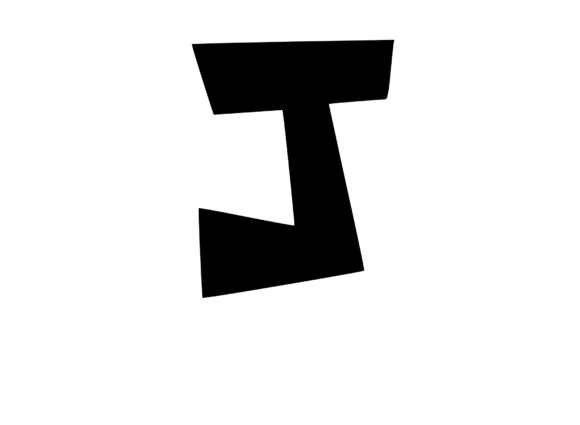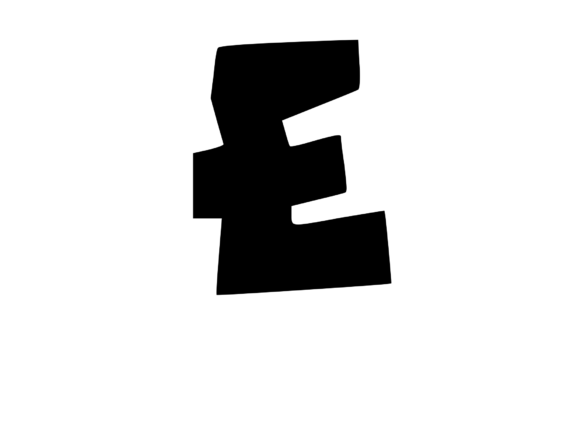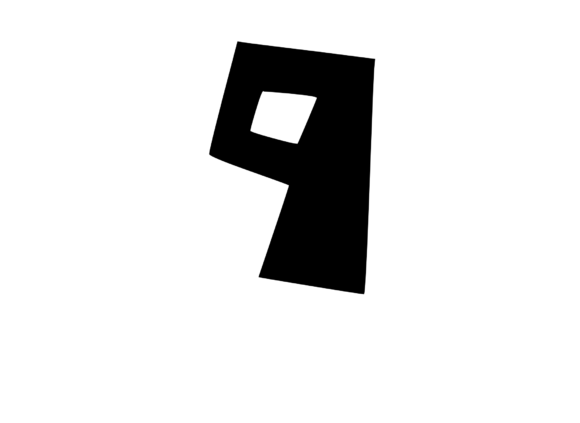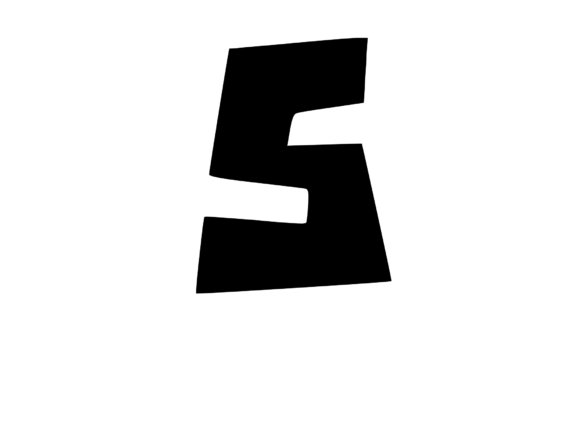
Super Heavy Funky Square Mono 0: A Designer’s Firsthand Review
When you work with Super Heavy Funky Square Mono 0, the name alone sets an expectation. This is not a delicate, shy little motif. It is bold, graphic, and unapologetically present. As someone who has tested hundreds of machine embroidery designs across all kinds of real-world projects, I can tell you right away that this file brings a distinct visual personality. It feels playful but disciplined, heavy in presence yet clean in execution. The square format gives it a structured anchor, while the funky styling keeps it from feeling stiff. The mono treatment — likely single-color or monochrome in nature — means it relies on shape and contrast rather than a rainbow of thread colors. That is a smart move for anyone selling handmade products or building a consistent brand identity.
This design lands naturally in the Crafts category, and its application as a Graphics type file means you can adapt it across mediums. Whether you are printing, cutting, or digitizing for embroidery, the core geometry holds up. But let’s talk specifically about embroidery use, because that is where the real test happens.
First Impressions: Mood, Layout, and Visual Punch
Opening Super Heavy Funky Square Mono 0 for the first time, you notice the weight. The design commands attention without screaming. The square boundary gives it a contained feel, which is excellent for placement on apparel or accessories. The internal elements have a rhythmic, almost retro-funky energy — think bold lines, playful asymmetry, and a confident silhouette. There is a lot of visual interest packed into that square frame, but it does not feel cluttered. That is a hard balance to strike.
From a mood perspective, this design reads as modern, slightly irreverent, and very wearable. It would appeal to customers who want their custom apparel or handmade product to say something without using words. It is the kind of motif that sparks conversation at a craft fair or catches the eye in an Etsy listing. For small shop product lines, it offers a repeatable visual signature that can tie together a collection.
Real-World Test: The Custom Tote Bag Project
I decided to test Super Heavy Funky Square Mono 0 on a medium-weight cotton tote bag. This is a staple product for many Etsy sellers and craft business owners, so I wanted to see how the design behaved in a real production scenario. I used a mid-weight cutaway stabilizer and a standard 40-weight polyester thread in a high-contrast color against the bag fabric.
The first thing I noticed during stitching was how well the design held its shape. The square boundary stitched out cleanly, with no distortion or pull on the fabric. The internal details, which I worried might become muddy at smaller sizes, remained distinct. The fill stitch areas laid down smoothly, and the running stitch accents provided nice texture variation. After trimming and pressing, the finished embroidered patch effect looked crisp and professional. I honestly felt like the bag looked more expensive than the materials suggested — and that is exactly what you want when you are selling personalized gifts or boutique merchandise.
I also tested it on a sweatshirt. On fleece, the design sat beautifully. The weight of the motif balanced well with the bulk of the garment. It did not sink into the fabric, and the square edges helped it read as a deliberate design element rather than an afterthought. For anyone running a small shop that sells sweatshirt embroidery, this is a strong candidate for a signature look.
Where Super Heavy Funky Square Mono 0 Performs Best
After testing across multiple substrates, I can confidently recommend this design for several product categories. It shines on:
- Tote bags and aprons — the square format fits nicely on center-front panels
- Pillow covers and tea towels — adds a modern, handmade touch to home goods
- Baby embroidery items like onesies or bibs, provided you size it appropriately
- Holiday embroidery projects — the funky vibe works for gift items that stand out
- Caps and hats — though you need to check the placement, the design can work on structured fronts
- Embroidered patches for jackets, backpacks, or denim — the heavy feel translates well to standalone patches
The single-color or limited-color nature of the mono style makes it a dream for production efficiency. You can stitch multiple items without constant thread changes, and it keeps your thread colors inventory simple. That is a real advantage for commercial embroidery work or high-volume craft fair prep.
Where to Use Caution
No design is universal, and Super Heavy Funky Square Mono 0 has a few considerations worth noting. Because of its weight and density, you need to be thoughtful about fabric choice. Very thin or lightweight fabrics like silk or fine linen may show shadowing or pull at the stitches. I would not recommend it for sheer garments or loosely woven textures without a dense stabilizer backing.
Stretchy fabrics like ribbed knits or spandex blends can also cause issues. The square shape may distort if the fabric stretches during hooping or stitching. If you are working with stretchy fabric, use a no-stretch or cutaway stabilizer and consider a light spray adhesive to keep layers from shifting.
Small hoop sizes are another area to watch. If you try to scale the design down too aggressively for a tiny hoop, the details may become cramped or lose clarity. Always test the embroidery file at your intended size on scrap fabric before committing to a finished product. Check stitch density in your software — if it looks tight at full size, it will only get denser as you shrink it.
For curved surfaces like caps, the square geometry requires careful centering. The design will not wrap naturally, so it relies on a flat or slightly curved placement. Test it on a cap form before stitching a production run.
Dark fabrics are generally fine, but because this design likely relies on a single color or limited palette, make sure your thread color provides enough contrast. A black-on-black or dark-on-dark treatment may lose the internal details entirely. Test in both light and dark fabric mockups before deciding on your final thread choice.
How It Affects Product Value and Customer Trust
When you sell a handmade product, every stitch communicates quality. Super Heavy Funky Square Mono 0 stitches out cleanly when properly digitized, which means your finished items will look consistent and professional. That builds customer trust and encourages repeat purchases. Buyers who receive a tote or sweatshirt with crisp, even stitching perceive higher value and are more likely to leave positive reviews or share your shop with others.
For Etsy sellers and digital product sellers, this design also works well as a printable mockup element. You can use the SVG version to create mockups for your listings, showing the design on different products without stitching each one. That saves time and helps you test market interest before committing to inventory.
The visual personality of the design also supports brand consistency. If you offer a line of boutique products, using a signature motif like this one ties your collection together. It becomes recognizable. Customers start to associate that funky square with your shop. That is hard to achieve with generic clip art, but this design has enough character to carry a small brand.
Practical Notes Before You Stitch
Before you load Super Heavy Funky Square Mono 0 into your machine, run through this quick checklist:
- Test on scrap fabric first. Always. Even if the design looks perfect on screen, real fabric behavior can surprise you.
- Check thread color contrast. Print a black-and-white version of the graphic to evaluate how the design reads without color. If it looks muddy, adjust your thread choices.
- Review stitch density. If you have software that shows stitch maps, look for areas where stitches stack tightly. You may need to adjust underlay or stabilizer choices.
- Confirm your hoop size. Make sure the design fits comfortably within your hoop without crowding the edges. Leave at least half an inch of clearance on all sides.
- Use the right stabilizer. For most woven fabrics, a medium cutaway works well. For knits or stretch fabrics, step up to a heavy cutaway or add a topper.
- Check licensing before selling finished items. Since this design is offered as a graphic file, confirm whether your license covers commercial use of embroidered or printed products. If you plan to sell digital embroidery files or design assets based on this graphic, you need explicit permission.
- Test in both light and dark fabric backgrounds. This is especially important for a mono design — the visual impact changes dramatically depending on background contrast.
I also recommend testing the design in a mockup on a real garment photo before you stitch production units. This helps you see how it will look to a customer and lets you tweak placement or scale without wasting materials.
Who Should Use This Design
Super Heavy Funky Square Mono 0 is ideal for embroidery designers, small business owners, crafters, apparel decorators, and creative entrepreneurs who want a bold, repeatable motif that works across multiple product lines. It suits both personalized gifts and commercial embroidery projects. If you run a handmade shop and need a design that can carry a tote bag line or a seasonal collection, this is worth your attention.
It is less suited for ultra-delicate projects, tiny hoop formats, or fabrics that cannot support moderate stitch density. But for the right application, it delivers a strong return on your time and materials.
Whether you are prepping for a holiday market, refreshing your Etsy listings, or building a cohesive product line for your craft business, this design brings the visual weight and personality to help your work stand out. Use it wisely, test thoroughly, and let the funky square do the talking.