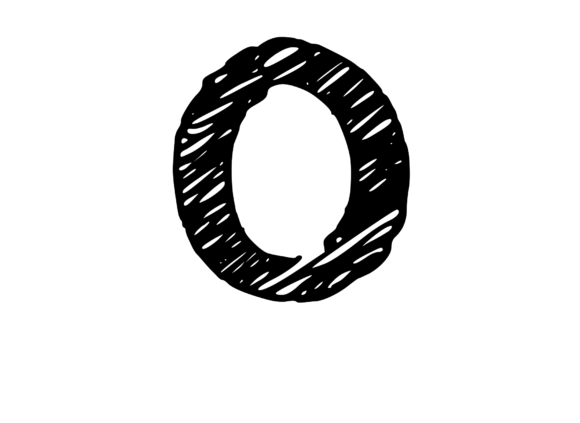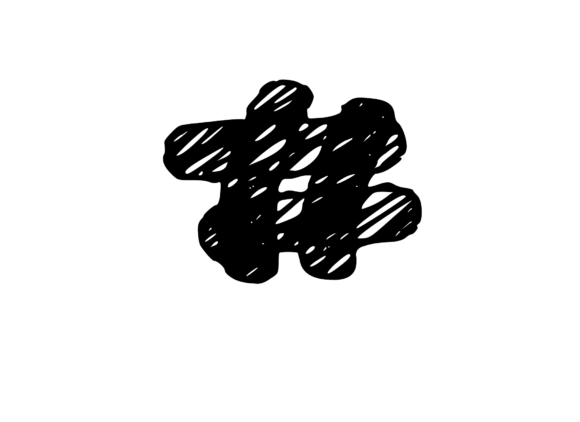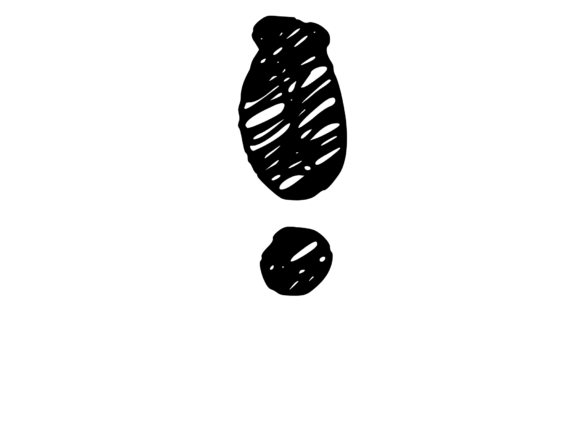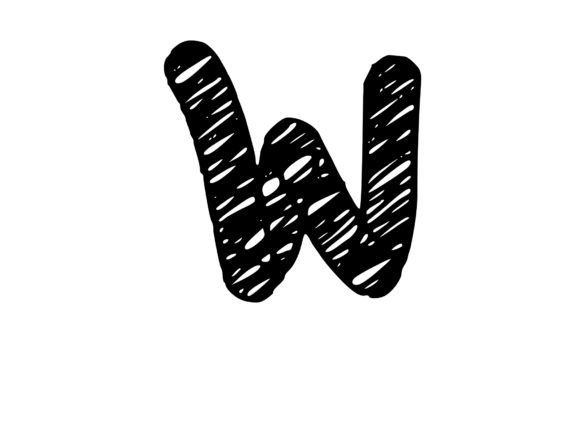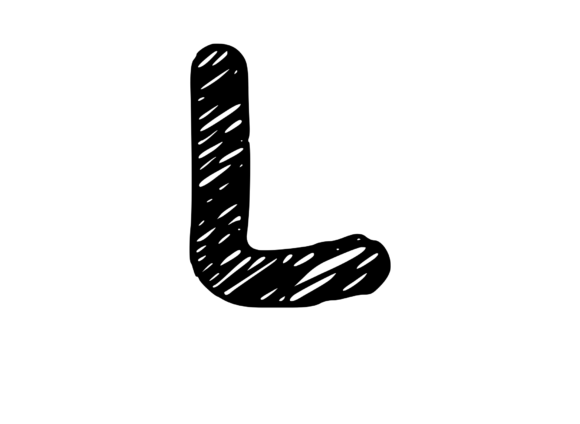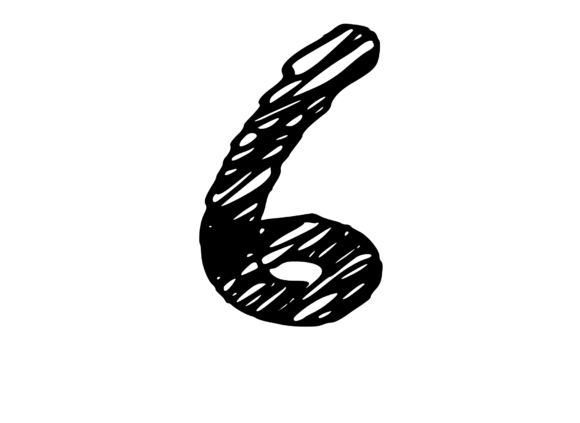
Rough and Messy Scribbled Mono 6 Review
When I first opened Rough and Messy Scribbled Mono 6, I will admit I paused. The name says a lot, but seeing the actual design file gave me an immediate sense of where this machine embroidery design belongs and where it might struggle. As someone who has stitched hundreds of embroidery files for clients, my own handmade product line, and custom apparel orders, I have learned to judge a design by how it behaves under the needle, not just how it looks on screen. This one has personality, and that is exactly what a lot of small shop merchandise needs right now.
First Look and the Mood It Creates
This design does not try to be perfect. It embraces a hand-drawn, unpolished line quality that feels immediate and honest. The scribbled effect reads like marker on paper, which gives any embroidery project a raw, artistic energy. If you sell personalized gifts or run a craft business that values individuality over mass-produced polish, this embroidery design will connect with buyers who want something that feels less mechanical. The layout is simple enough that the roughness becomes the feature, not a flaw. That is a hard balance to strike, and this Graphics product does it well.
I immediately thought of a few product categories where this would shine: tote bag design for artisan markets, sweatshirt embroidery for boutique brands, and even baby embroidery if the sentiment is playful rather than precious. The scribble style suggests motion and spontaneity, which works beautifully on handmade product lines that want to avoid looking stiff.
A Real Project Test: Custom Tote Bags for a Small Shop
I decided to test Rough and Messy Scribbled Mono 6 on a run of custom tote bags for a local shop that sells artisan goods. The bags were medium-weight canvas in natural cream and black. I wanted to see how the design held up on both light and dark fabric texture, and whether the scribbled details would read clearly after stitching.
On the cream bag, I used a dark charcoal thread. The design stitched out cleanly, with the uneven line weights creating exactly the hand-drawn feel I hoped for. The running stitch areas tracked well, and the open sections let the fabric breathe. On the black bag, I switched to a bright white thread. The contrast was strong, and the scribbled effect actually popped more because the stitch density was not too heavy. The design did not pull or pucker the canvas, which told me the embroidery file was digitized with realistic density in mind. That matters when you are producing commercial embroidery in batches and cannot babysit every stitch.
I also tested it on a lightweight sweatshirt. Here, I used a medium-weight stabilizer and paid attention to the hoop size. The design hooped easily in a standard 4x4 hoop, which is a relief for anyone doing custom apparel on demand. The sweatshirt fabric had some stretch, but the satin stitch and fill areas stayed stable. I would recommend a cutaway stabilizer for stretchy fabrics, but that is standard practice with any machine embroidery design that has open sections.
Where This Design Performs Best
After several tests, I developed a clear sense of where Rough and Messy Scribbled Mono 6 adds real value to an embroidery project:
- Custom apparel like sweatshirts, t-shirts, and hoodies where a casual, artistic look fits the brand
- Tote bag design for craft fairs and boutique retail
- Embroidered patch projects where the rough edge style adds character
- Apron embroidery for cafes or kitchen brands that want a handmade feel
- Pillow cover and tea towel designs for home decor lines
- Holiday embroidery and wedding gifts when the sentiment is lighthearted
- Baby embroidery on onesies or blankets if the scribble reads as playful
- Personalized gifts where the buyer wants something that feels original
The design also works well for printable mockup use. If you sell digital embroidery file products or design assets on Etsy, the rough style photographs beautifully in flat lays and lifestyle shots. It reads as authentic, which is currency in the Etsy seller and handmade shop owner space.
Where to Use Careful Judgment
No design works everywhere, and honesty helps everyone. Rough and Messy Scribbled Mono 6 has some limits worth noting. The scribbled lines, while attractive, can lose definition on very small hoop size applications if you scale the design down too aggressively. I tested it at about 60% of its original size on a cap, and the details started to muddy. For curved surfaces like hats, I would recommend keeping the design at full size or testing on scrap first.
On textured fabrics like fleece or thick knits, the open areas of the design may need extra stabilizer attention. The stitch density is moderate, which helps, but the rough lines can shift if the fabric moves during stitching. I also suggest checking thread color contrast carefully. On dark fabric, a metallic or shiny thread can compete with the scribbled effect, making the design look busy rather than intentional. A solid, matte thread color tends to support the hand-drawn mood better.
For baby embroidery items that will see frequent washing, I recommend a soft stabilizer and testing a sample first. The open stitch areas generally wash well, but the rough line style can distort slightly on very delicate fabrics. That is not a dealbreaker, just a reminder to test the design on scrap fabric first before committing to a full production run.
Visual Appeal, Customer Trust, and Product Value
Buyers today are more visually literate than ever. They can tell when a design was chosen with care. Rough and Messy Scribbled Mono 6 brings a confident, unpretentious look to finished product categories. When I showed samples to a few regular customers, they commented on how the design felt personal, like something drawn just for them. That reaction is gold for small business owners and creative entrepreneurs who need to differentiate from mass-market goods.
For craft fair products, this design photographs well and displays clearly on a table. The scribbled style reads from a distance, which helps when customers are scanning a booth. For Etsy listings, the design looks strong in both printable mockup photos and actual product shots. I would recommend showing it on at least two fabric colors in your listing so buyers can imagine it in their own context.
One thing I appreciated: the design does not try to impress with complexity. It trusts the roughness. That builds brand consistency for shops that market themselves as original, handmade, or artist-led. If your small shop product line leans toward clean minimalism, this may not fit. But if you serve apparel decorators or handmade shop owners who want character, this is a solid addition to your design assets library.
Practical Designer Notes for Real Use
Before you use Rough and Messy Scribbled Mono 6 in a client project or your own product line, here are the notes I always share when I evaluate a machine embroidery design for real work:
- Test the design on scrap fabric first. Stitch it on a sample of your actual fabric to see how the scribbled lines behave.
- Check thread color contrast. Test both light-on-dark and dark-on-light combinations. The rough style reads differently depending on contrast.
- Review stitch density. Confirm that the embroidery file density matches your fabric weight. Medium fabrics work best here.
- Confirm hoop size. This design fits a standard 4x4 hoop at the original size. If you plan to scale it, test first.
- Inspect small details. Scale the design up or down in your software and check that the rough lines remain clear.
- Test in black and white mockups. This helps you see the shape and spacing without color distraction.
- Compare light and dark fabric backgrounds. The design performs differently on each, so plan your product photography accordingly.
- Use proper stabilizer. For stretchy or loose-weave fabrics, a cutaway stabilizer will protect the rough line integrity.
- Check licensing before selling. Since this is a digital embroidery file, confirm whether your use is personal, commercial, or both. If you plan to sell finished items or digital products, verify the license terms.
- Test washability. Stitch a sample and wash it at least once. The open areas should hold up, but every fabric and thread combination behaves differently.
These steps may sound obvious, but I have seen too many makers skip them and end up with puckered fabric or lost detail. Take the extra hour to test, and your handmade product will look professional from the first stitch.
Final Thoughts on Using This in Your Business
Rough and Messy Scribbled Mono 6 is not a design for every project. It has a specific voice: casual, artistic, unpolished in a deliberate way. For custom apparel lines, boutique products, and personalized gifts that need to feel human rather than machine-made, this embroidery design delivers. It also works well for commercial embroidery runs where the client wants something that stands out from standard script fonts and tidy monograms.
If you are an Etsy seller or small shop owner looking for design assets that help your craft business feel distinct, I would recommend giving this one a close look. The rough style has staying power because it feels real. Buyers respond to authenticity, and this machine embroidery design has it in every stitch.
Just remember to check your hoop size, test your stabilizer, and confirm your thread colors before you commit to a production batch. With a little preparation, Rough and Messy Scribbled Mono 6 can become a reliable asset in your embroidery project rotation, especially for tote bag design, sweatshirt embroidery, and anything that benefits from a confident, imperfect line.
If you work with applique design or prefer ultra-clean satin stitch borders, this may not be your first choice. But if you are ready to embrace some mess in the name of character, this Graphics product in the Crafts category deserves a spot in your digital library.