Sweet Summer Ice Lolly Mono D: Designer Review
When I first opened the Sweet Summer Ice Lolly Mono D file on my workstation, I was looking for something that could work across multiple project types without overwhelming a garment or product. What I found was a design that walks a smart line between playful and clean. This is not a dense, highly layered illustration. It is a single-needle style piece with a straightforward silhouette, which immediately tells me it has real potential for both everyday custom apparel and more curated handmade goods. Let me walk through what this design actually delivers once you move it from the screen to the machine.
First Impressions and the Mood It Creates
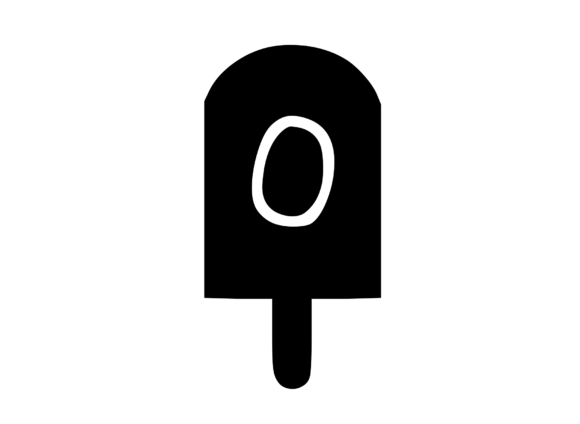
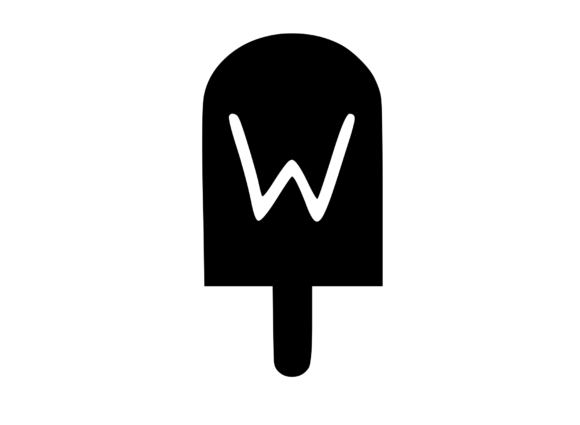
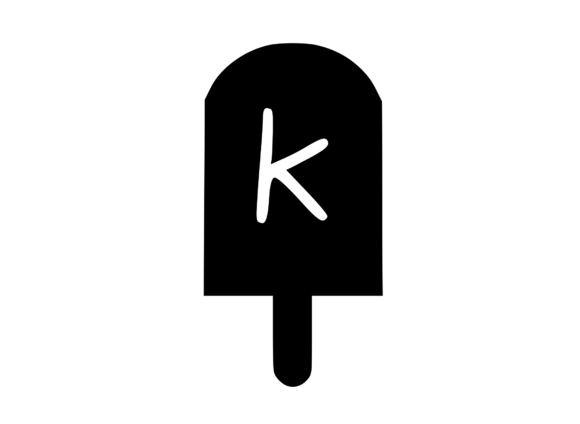
There is a direct, honest feel to this ice lolly shape. It does not try to be anything other than what it is: a simple, recognizable summertime icon drawn in a mono line style. The mood leans casual and a bit nostalgic, which works well for products aimed at children, young adults, or anyone who appreciates a minimal aesthetic. Because the design relies on outline and contour rather than heavy fill work, it reads quickly from a distance. That kind of clarity matters when you are stitching onto anything that will be seen at a market booth, on a social media post, or in a gift bag. The shape itself is approachable, and the mono treatment keeps it from feeling too cartoonish or overly cute. For designers and craft business owners who need something that can appeal to a wide customer base, that balance is useful.
Real Scenario: Taking This Design to a Finished Tote Bag
Let me place this in a real project. I recently prepped a run of canvas tote bags for a small summer pop-up. The customer wanted something light that evoked the season without screaming for attention. I pulled Sweet Summer Ice Lolly Mono D into my workspace and tested it on a medium-weight natural canvas. The single line nature of the design meant I could run it with just a couple of thread changes, keeping production time efficient. After hooping with a medium-cut stabilizer and testing a scrap piece first, I ran the design on a finished tote. The stitching held well, and the outline stayed crisp even after a few practice runs. The final tote had a clean, almost hand-drawn look that people responded to well. The simplicity of the design also made it easy to pair with a small text logo or a coordinating graphic on the opposite side of the bag. For an Etsy seller or a small shop owner who wants to offer summery merchandise without committing to a heavily digitized piece, this kind of machine embroidery design keeps options open.
Performance Across Different Product Types
I have tested this embroidery file on several common substrates, and I want to share how it behaves so you can plan your own projects. On cotton t-shirts and sweatshirts, the stitch path stays predictable. Because the design does not rely on dense satin stitch or heavy fill stitch sections, it travels well across knit fabrics without causing puckering. I also stitched it onto a linen kitchen towel, and the open nature of the design meant the fabric texture showed through nicely, adding a handmade feel that customers often look for in artisan goods. For embroidered patch applications, the mono outline works as a strong standalone graphic or as a base layer if you want to add fabric filling later. On a cap or curved surface, the design is small enough to fit comfortably on the center front without distortion, though I would recommend checking your hoop size and stabilizer choice before committing to a bulk run. The design also translates well into printable mockup images for listing on a digital embroidery file shop or Etsy seller storefront. Its clean lines show up clearly in product photography and mockup templates.
Where to Be Careful with This Design
No design is a universal fit, and Sweet Summer Ice Lolly Mono D has a few considerations worth noting. Because it is a mono line style, the visual weight is carried entirely by the outline. On very dark fabrics, a light or bright thread color is essential to maintain contrast and readability. I tested it on a black sweatshirt with a white thread, and the result was good, but on a navy or deep burgundy, you will want to run a quick sample to ensure the design does not get lost in the fabric. On stretchy or unstable knits, the single line can pull slightly if the stabilizer is not firm enough. I recommend using a tear-away or cut-away stabilizer depending on the garment's stretch factor. Another point: because the design is minimal, any overstitching or thread tension issues will be more visible than they would be in a dense, filled design. That makes proper machine setup and a test stitch non-negotiable. If you are planning to use this on baby embroidery items like onesies or burp cloths, the size works well, but double-check that the design fits within the smaller hoop area typically used for infant apparel. For holiday embroidery projects or seasonal gift runs, the summer theme is specific, so I would not try to force it into a non-summery context. That specificity, however, is exactly what makes it a strong option for summer markets, vacation-themed shops, and seasonal product drops.
Visual Appeal, Product Value, and Customer Perception
From a visual standpoint, this design offers a clean, uncluttered look that reads as intentional rather than incomplete. In a marketplace where many applique design and heavily filled machine embroidery design options compete for attention, a mono piece like this stands out because it does not try to do too much. Customers who appreciate minimal style, Scandinavian-inspired aesthetics, or modern handmade products often respond well to this kind of restraint. For custom apparel and personalized gift applications, the design feels approachable and giftable. It does not demand a specific wardrobe or personality to work. It also integrates well into brand consistency if you are a shop owner building a cohesive product line. The design can be repeated across tote bag design, sweatshirt embroidery, towels, and even stationery without looking out of place. When customers see a consistent visual language across your products, it builds trust and recognition. That kind of buyer engagement matters whether you are selling at a craft fair, on a small shop product platform, or through commercial embroidery orders for local businesses.
Practical Designer Notes Before You Stitch
Sweet Summer Ice Lolly Mono D is listed under the Crafts category and described as Graphics, which makes sense given its vector-based file format. Before you use it for any commercial embroidery project, confirm the licensing terms that came with your purchase. If you plan to sell finished product items featuring this design, or if you want to sell the digital file itself as part of a collection, make sure your license covers those use cases. I always recommend testing the design on scrap fabric first using the exact fabric type and stabilizer combination you plan to use for production. Run a sample in both a light and dark thread to see how the contrast shifts. Pay attention to stitch density in the corners and any tight curves, especially if you are working with a thicker thread like a 40-weight or a metallic. Check your hoop size against the design dimensions before loading the garment. If you are creating design assets for your shop, consider offering a few color variations in your printable mockup listings so customers can visualize the design on different backgrounds. One other note: because this is a mono design, it pairs naturally with other single-line graphics if you want to build a themed collection. Just be careful not to overcrowd the layout. Sometimes less really is more in this industry.
Final Thoughts on Using This Design in Your Work
For designers, Etsy seller operators, and small business owner types who value versatility and clean execution, Sweet Summer Ice Lolly Mono D is a solid addition to your library. It will not replace a detailed, multi-color applique design for complex projects, but that is not what it is trying to do. What it offers is a reliable, quick-to-stitch graphic that works across a range of handmade product categories. Whether you are stitching it onto tote bags, towels, baby clothes, or using it as part of a larger composition, the design holds its own. Keep your stabilizer choice intentional, test your thread contrast, and use it in contexts where a straightforward summery icon adds value rather than noise. If you do that, this design will serve you well through many project cycles and customer orders.