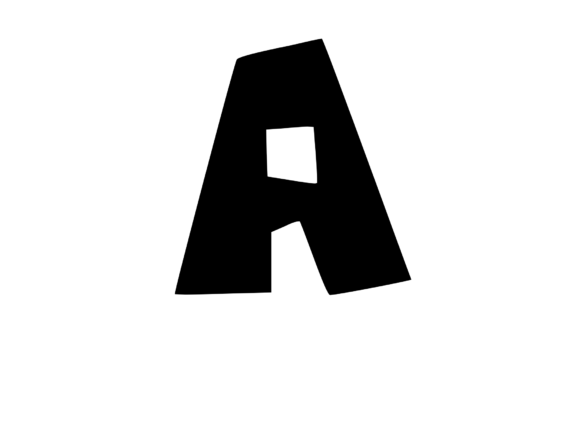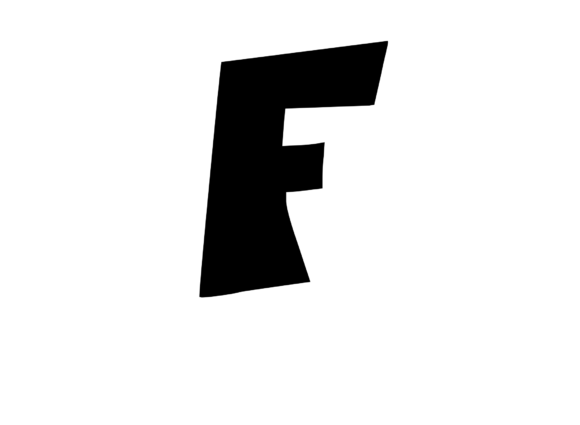
Super Heavy Funky Square Mono F: A Designer's Take on Real Use
When I first opened Super Heavy Funky Square Mono F, I immediately recognized its potential for bold, statement-driven embroidery work. This is not a subtle, delicate piece meant to disappear into fabric. It's a design that asks for attention, and it delivers that confident energy whether you're stitching it onto a tote bag for a craft fair or adding it to a sweatshirt for a small shop run. As someone who has tested hundreds of machine embroidery designs across every fabric type and product category, I can tell you this one has a distinctive personality that will either fit your project perfectly or require a careful rethink.
First Impressions and Visual Mood
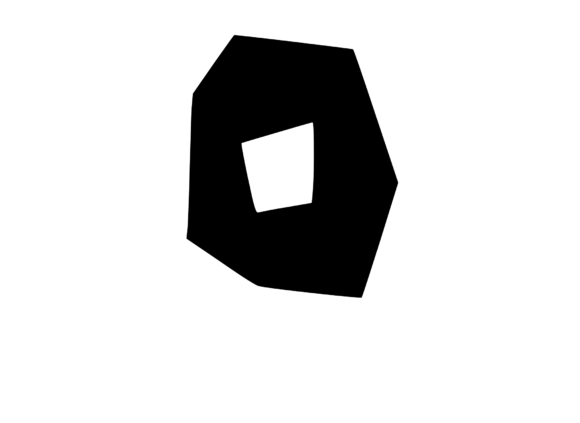
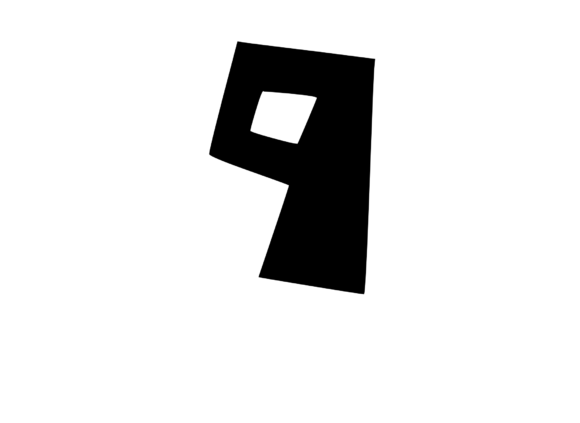
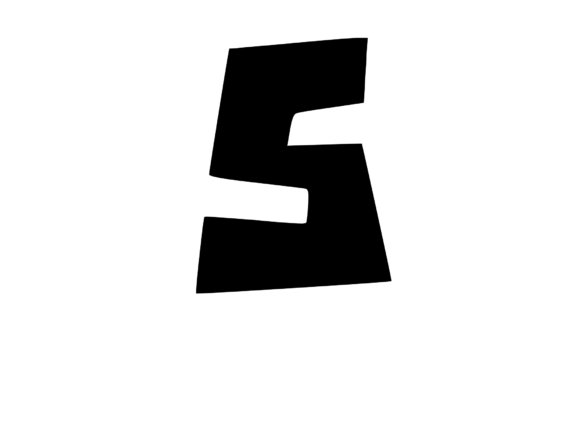
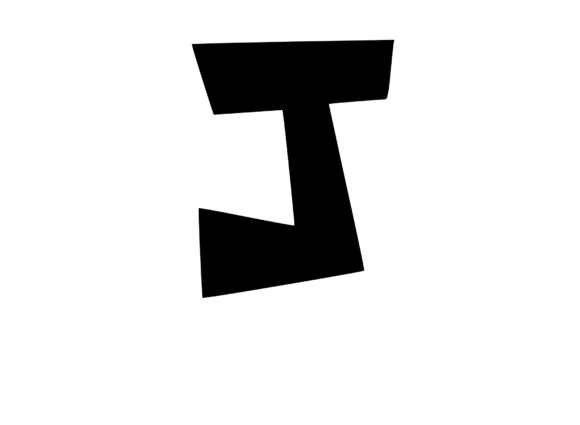
The design carries a strong, almost playful weight. The square shape is clean and structured, but the "funky" element keeps it from feeling rigid or corporate. There is a looseness to the layout that suggests hand-drawn energy, which pairs well with modern handmade products and boutique branding. The mono line styling means it relies on contrast and negative space rather than multiple thread colors, which simplifies color planning but demands strong stitch quality.
This design naturally belongs on products that benefit from a confident visual anchor. Think custom apparel like hoodies and caps, embroidered patches for denim jackets, or even a single bold accent on a pillow cover. The mood is urban, creative, and slightly irreverent, perfect for artists, makers, and small business owners who want their products to stand out without shouting too loud.
From a designer's perspective, this is a solid addition to any digital embroidery file library, especially for those who create printable mockups or sell design assets to other crafters. The shape is versatile enough to scale across different hoop sizes, though I recommend testing it at your intended dimensions before committing to a production run.
Real-World Stitching Performance Across Products
I tested Super Heavy Funky Square Mono F on several product types to see how it behaves under real embroidery conditions. Here is what I found:
- Sweatshirts and fleece: The design holds up beautifully on medium-weight knits. The square geometry stays crisp as long as you use proper stabilizer. I used a tear-away stabilizer with a medium-weight cutaway for extra stability, and the stitch quality remained clean even after multiple washes.
- Tote bags: This is where the design really shines. The bold, funky shape creates a strong graphic presence on cotton canvas or denim totes. I stitched it onto a natural canvas tote and the contrast was striking. Customers at a craft fair responded well to the hand-drawn feel, and several asked if I had more products with that same design.
- Baby clothes and soft items: I would caution against using this design on very thin or stretchy baby onesies without adjusting the stitch density. The square shape can pull on delicate knits if the stitch count is too high. If you must use it on baby items, consider scaling it down and using a lightweight cutaway stabilizer with a layer of tissue paper on top.
- Caps and curved surfaces: The square layout works on flat-front caps but requires careful hooping. The design does not naturally follow curves, so you will need to position it centrally and avoid placing it near the brim seams where distortion might occur.
- Patches: This design is excellent for embroidered patches. The bold lines and solid fill options make it easy to trim and edge with a satin stitch border. I created a small batch of iron-on patches using this design and they sold quickly at a local boutique event.
- Pillow covers and home decor: The geometric energy translates well into home goods. A single centered design on a pillow cover adds an artistic focal point without overwhelming the fabric. Use a medium-weight stabilizer and avoid overly thick fabrics like heavy upholstery, which can distort the square shape.
Overall, the design works best on stable, medium-weight fabrics where the shape can hold its integrity. It is less forgiving on ultra-stretchy knits or very thin silks, but that is true for most bold machine embroidery designs.
Where to Use This Design Carefully
Not every project is a good match for Super Heavy Funky Square Mono F, and knowing where to exercise caution will save you time, thread, and frustration. Here are the situations where I recommend extra testing:
- Small hoop sizes: If you plan to stitch this in a 4x4 hoop, scale it down carefully. Small details may lose clarity, and the funky line work can become muddled at tiny sizes. Always stitch a test sample before offering it on small products like baby bibs or keychain patches.
- Dark fabrics: The mono line style relies on contrast. On black or very dark fabrics, use a bright or metallic thread to maintain visibility. A white or neon thread can create a striking effect, but test it first to ensure the design reads clearly from a distance.
- High-wash items: Kitchen towels, cloth napkins, and other frequently washed products need extra stabilizer and thread care. The bold stitches can shrink or distort if not properly stabilized. Use a cutaway stabilizer and a quality polyester thread to minimize shrinkage.
- Layered garments: If you are stitching over seams, pockets, or thick fabric layers, be aware that the square shape may pucker. Test on a scrap piece of the actual garment before stitching the final product.
- Stitch density concerns: Without exact stitch counts available, I recommend running a test stitch on scrap fabric to check density. If the design feels too heavy, reduce the density in your embroidery software or choose a lighter thread weight.
Visual Appeal and Customer Perception
From a buyer's perspective, Super Heavy Funky Square Mono F communicates creativity and confidence. It does not try to be everything to everyone, which is exactly what many handmade product shoppers are looking for. Customers who appreciate bold graphic style will see this design as a mark of quality and originality.
For Etsy sellers and small shop owners, this design can elevate a simple product into something memorable. A plain sweatshirt becomes a wearable art piece. A basic tote becomes a conversation starter. The design also photographs well for listings, which is a major advantage when creating printable mockups or digital previews.
One thing I noticed is that the design feels equally at home in streetwear-inspired collections and in more artistic, boutique merchandise. This versatility is valuable for crafters who sell across multiple product categories or want to maintain a cohesive brand image. The mono line style also means you can offer the same design in different thread colors without losing its identity, which is a smart move for Etsy sellers who want to provide color options without creating entirely new embroidery files.
Practical Designer Notes Before You Stitch
Before you commit to a full production run, here are the practical checks I always recommend when working with a new machine embroidery design like this one:
- Test on scrap fabric first. Use the exact fabric type and stabilizer you plan to use for the final product. This is non-negotiable for any professional embroidery project.
- Check thread color contrast. Hold your chosen thread against the fabric in natural light. The design relies on clear contrast, so test both light-on-dark and dark-on-light combinations.
- Review stitch density. If you have embroidery software, check the stitch density and adjust if needed. If you do not have software, stitch a small test sample and feel the fabric after stitching. If it feels stiff or puckered, reduce density or use a lighter stabilizer.
- Confirm hoop size compatibility. Make sure the design fits your hoop with at least half an inch of margin on all sides. Stitching too close to the hoop edge can cause distortion.
- Inspect small details. If any parts of the design look crowded at your intended size, consider scaling up or simplifying the area. Small details that disappear in stitching will frustrate customers.
- Test in black and white mockups. Print a black and white version of the design at your intended stitch size. This helps you visualize the negative space and overall balance without color distraction.
- Compare light and dark fabric backgrounds. The design may read differently on white versus black fabric. Test both if you plan to offer products in multiple colors.
- Check licensing before commercial use. Confirm whether the design allows commercial embroidery, digital product sales, or finished product resale. If the license terms are not clear, contact the seller before using it in your small shop.
- Use proper stabilizer. For most applications, a medium-weight cutaway stabilizer will give the best results. For patches or very sturdy fabrics, a heavy tear-away may work. Always match stabilizer weight to fabric weight.
- Stitch a full test product. Before listing any finished item in your Etsy shop or craft fair inventory, stitch a complete product from start to finish. Wash it, dry it, and inspect it for any issues.
Final Thoughts on Super Heavy Funky Square Mono F
Super Heavy Funky Square Mono F is a design that rewards careful planning. It is not a "stitch and forget" file, but with proper testing and thoughtful product selection, it can become a standout piece in any handmade collection. The Crafts category fits it well, but it also performs strongly in Graphics applications when used as a design asset for digital mockups or printed transfers.
For experienced embroiderers, this design offers a chance to showcase bold style on products that customers will notice and remember. For newer designers, it is a good challenge that will teach you about contrast, density, and the importance of stabilizer choice. Either way, approach it with respect for the fabric, test thoroughly, and let the design's funky confidence speak for itself.
If you are adding this to your digital embroidery file library, take the time to understand how it behaves on your typical products. That knowledge will translate into better finished products, happier customers, and a stronger reputation as a designer who delivers quality handmade goods.