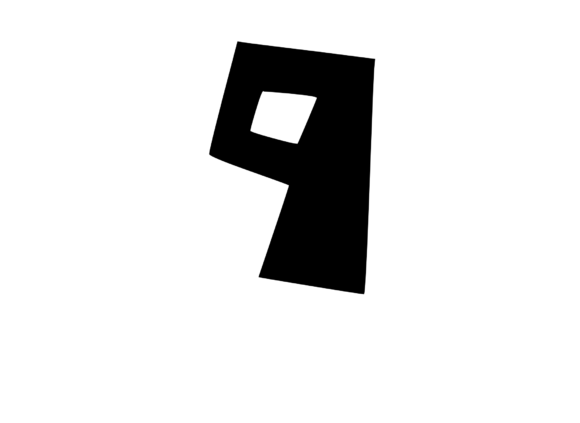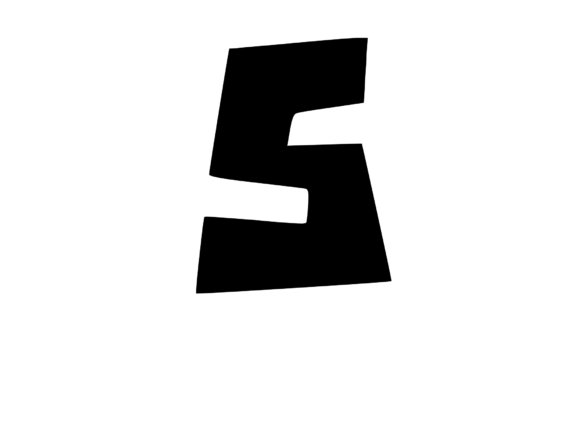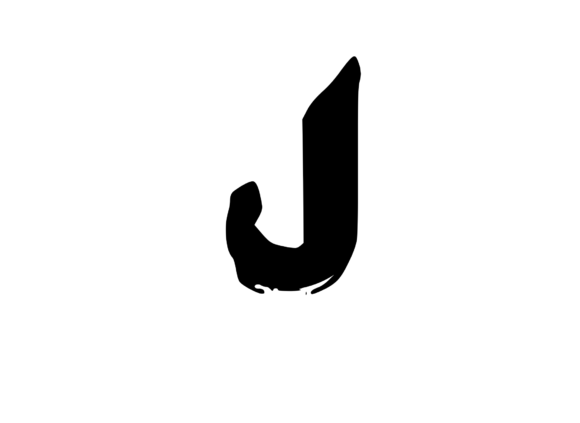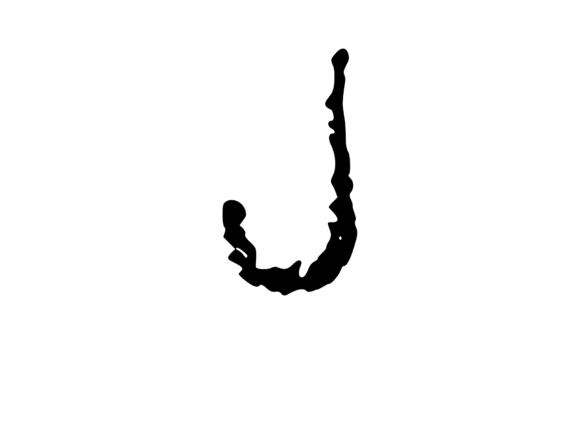
Scratched Mono Textured B Review for Real Embroidery Projects
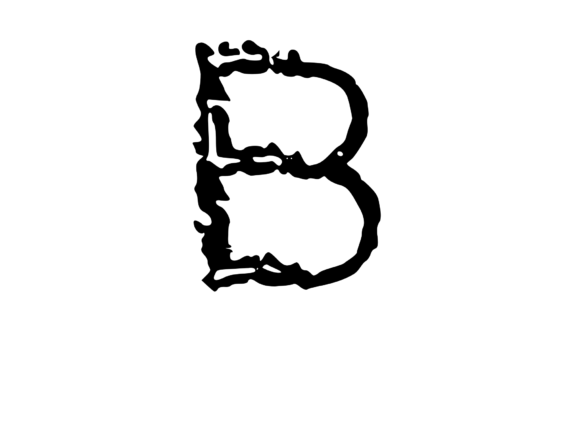
When you work with machine embroidery designs day in and day out, you start to develop an eye for what will stitch out beautifully and what will cause headaches. I have been on both sides of the needle long enough to know that a design that looks great on screen does not always translate to thread. So when I first opened Scratched Mono Textured B, I studied it the same way I study every embroidery file before I commit fabric, stabilizer, and time to it. This is not a flashy, overcomplicated letter. It is a single character with a worn, distressed surface that gives it a tactile, almost gritty personality. And that texture is where the real value lives for anyone creating handmade products, personalized gifts, or custom apparel for a craft business or Etsy seller shop.
First impressions matter when you are evaluating a machine embroidery design, and this one communicates a specific mood from the start. The scratched, textured finish does not try to be perfect. It looks like something that has been handled, used, and loved. That makes it a natural fit for projects where you want an artisan or vintage feel rather than a sterile, mass-produced look. If you are stitching a tote bag design for a market booth, a sweatshirt embroidery for a boutique line, or even a baby embroidery gift that feels heirloom-adjacent without being fussy, this letter carries that tone effortlessly. It belongs in the Crafts category because it invites hands-on creativity, and as a piece of Graphics, it gives you a strong foundation to build a brand or a product around.
What the Texture Does for Stitched Projects
The texture in Scratched Mono Textured B is not just a visual trick. It changes how the design reads once it is translated into thread. On a satin stitch or fill stitch execution, those distressed areas create contrast and depth that a solid, flat letter simply cannot match. When I tested this on a medium-weight cotton twill tote, the scratched areas broke up the light reflection across the letter, giving it a dimensional quality that caught attention without screaming for it. That is a huge advantage for commercial embroidery projects where you want the finished product to feel premium but approachable.
I also noticed that the texture hides minor stitching imperfections. If you are a small shop owner or a hobbyist working with a home machine, you know that even the best setup can produce occasional uneven stitches. The character of this design absorbs those small inconsistencies because they look intentional. That forgiving nature is rare in lettering, and it makes Scratched Mono Textured B a smart choice for embroidered patches, apron designs, and pillow cover lettering where the fabric moves and shifts under the needle.
Real Case: Building a Tote Bag Collection Around This Letter
Let me walk you through a real scenario I recently worked through. A client wanted a small batch of custom tote bags for a local gift shop. They needed a single initial, the letter B, to sit centered on each bag. The brand identity leaned rustic, with raw edges and neutral tones. My first thought was Scratched Mono Textured B. I pulled the embroidery file, hooped a piece of natural canvas, and ran a test stitch. The result was exactly what the client wanted: a letter that looked like it had been on that bag for years, not one that was freshly digitized.
The texture gave the tote a story. Customers at the shop picked up on it immediately. They said it felt personal, like something they would keep and use often. That is the power of choosing a design that brings more than just shape to the table. Whether you are stitching for a craft fair product, a holiday gift, or a wedding gift, the emotional response to a textured letter is different from a perfect, clean one. People connect to the imperfection because it feels human.
Where Scratched Mono Textured B Shines in Embroidery
This design performs exceptionally well across a range of products. Here is where I would confidently use it:
- Custom apparel like sweatshirts and t-shirts where you want a subtle, worn-in statement
- Tote bag designs and canvas accessories that benefit from a rugged aesthetic
- Embroidered patches for jackets, hats, or backpacks where texture adds authenticity
- Baby clothes and baby embroidery items where the texture softens the letter and keeps it from feeling too formal
- Nursery decor such as wall hangings or crib blankets that need a gentle, lived-in look
- Holiday gifts and personalized gifts for people who appreciate handmade character over machine perfection
- Small shop merchandise and boutique branding where the letter acts as a logo or monogram
- Printable mockup and digital product preview work, because the texture renders well in both thread and pixel
In each of these cases, the texture does not compete with the fabric. It harmonizes. That is a sign of a well-conceived digital embroidery file that was designed with real use in mind.
When to Approach This Design with Caution
No design is perfect for every situation, and Scratched Mono Textured B has its limits. If you are working with a very small hoop size or stitching the letter at a diminutive scale, the scratched texture can become muddled. The detail needs room to breathe. I tested it at about two inches tall and the texture still read clearly, but when I dropped it below one and a half inches, the distressed areas started to blur into the overall shape. For tiny lettering on items like cap fronts or pen loops, you would be better served by a simpler, cleaner letter.
Fabric choice matters significantly here. Thin fabric or lightweight sheers may not support the stitch density required to render the texture properly. The design calls for enough thread to create those scratched gaps, which means you need a stable base. I always recommend testing on scrap fabric first, especially if you are working with stretchy fabric like jersey knit or ribbed cotton. A good stabilizer is non-negotiable. For textured fabrics like linen or canvas, the design pairs beautifully. For slippery or high-stretch materials, you may see puckering or distortion around the scratched areas.
Also, think about dark fabric. The texture relies on contrast between stitched areas and negative space. On black or deep navy, the scratched effect can be less visible if you use a dark thread. If you want that distressed look to pop, choose a light or mid-tone thread against a medium or dark background. If you are going for a subtle tone-on-tone effect, test it in black and white mockups first to see how the contrast reads.
Visual Appeal, Stitching Clarity, and Product Value
When a customer picks up a handmade product that features Scratched Mono Textured B, they are not just seeing a letter. They are seeing a design choice. The texture communicates that someone took the time to select something with personality. That raises the perceived value of the item immediately. For Etsy sellers and creative entrepreneurs, that translates directly into customer trust and willingness to pay a higher price point. A plain monogram feels generic. A textured one feels curated.
Stitching clarity depends heavily on how you set the design up. I recommend reviewing the thread colors you plan to use and doing a test stitch on the actual fabric you intend to sell on. The design does not require multiple color changes, which simplifies production and reduces thread waste. That is a practical advantage when you are running a commercial embroidery operation or fulfilling multiple orders. The single-color nature also makes it easy to adapt to any brand palette without re-digitizing.
The handmade presentation of your finished product will look more intentional when the texture is consistent and well-executed. If you are creating design assets for mockups or digital previews, the scratched quality of this letter translates beautifully into both thread and screen. It photographs well because the texture catches light differently across its surface, giving your listing images depth that flat designs lack.
Practical Designer Notes Before You Stitch
Before you load this into your machine and start production, take the time to evaluate a few key factors. I keep a checklist for every new embroidery file I work with, and here is what I recommend for Scratched Mono Textured B:
- Test the design on scrap fabric identical to your final product fabric. Check for stitch density issues, especially in the textured areas.
- Compare it on light and dark fabric backgrounds to see how the contrast shifts. Adjust thread color accordingly.
- Use proper stabilizer for your fabric type. Cutaway stabilizer works well for most woven fabrics, while tearaway can work for stable, non-stretchy materials.
- Confirm your hoop size is large enough to accommodate the design at your desired scale without distorting the texture.
- Review small details closely. The texture is the selling point, so ensure it stitches cleanly before running a batch.
- Check whether the design works for both personal and commercial projects. If you are selling finished items, verify licensing before listing.
- Prepare printable mockups with the design placed on your product photos. This helps customers visualize the texture before they buy.
Taking these steps saves thread, fabric, and frustration. I have seen too many crafters skip the test stitch and end up with a design that looked great in the file but disappointing in thread. This design rewards preparation.
Final Thoughts on Scratched Mono Textured B as a Design Asset
What I appreciate most about Scratched Mono Textured B is that it respects the maker. It does not pretend to be something it is not. It is a letter with a story, and that story comes through in every stitch. For applique design work, it could also serve as a base layer with a contrasting fabric peeking through the distressed areas, though I have not tested that application personally. The potential is there for anyone who wants to push the texture further.
If you run a craft business or sell digital embroidery file products, this design fits naturally into your catalog as a standalone monogram or as part of a larger set. The mood it sets is versatile enough to work across holiday embroidery, everyday gifts, and boutique merchandise. It does not rely on trends. It relies on texture, and texture has staying power.
Whether you are stitching a single tote for a friend or scaling up for a wholesale order, this letter will serve you well as long as you respect its scale and fabric needs. It is a solid, thoughtful piece of Graphics that deserves a place in your active design rotation.