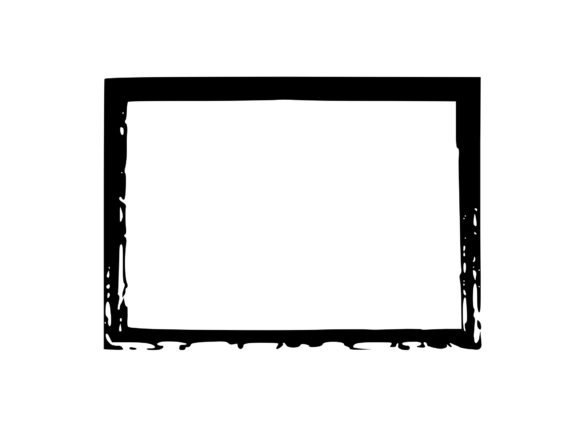
Graphic Frame 14 Review
As a designer and embroidery product reviewer, I’ve evaluated countless machine embroidery designs. Graphic Frame 14 stands out for its clean, modern aesthetic and versatility across various projects. Whether you're working on custom apparel, handmade gifts, or commercial embroidery, this design offers a strong foundation for creative expression.
First Impressions: A Bold and Versatile Design
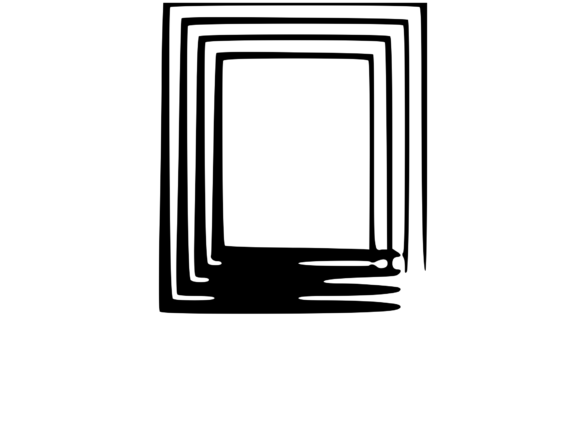
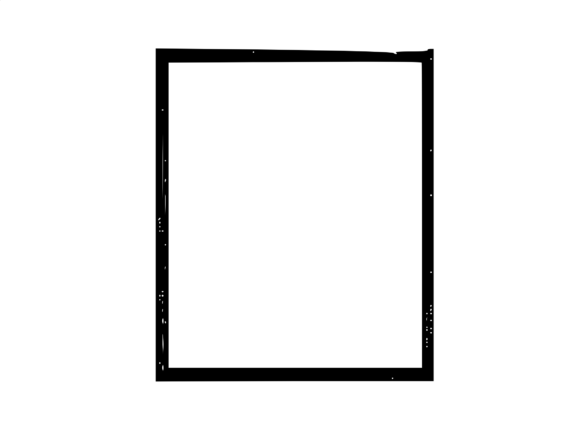
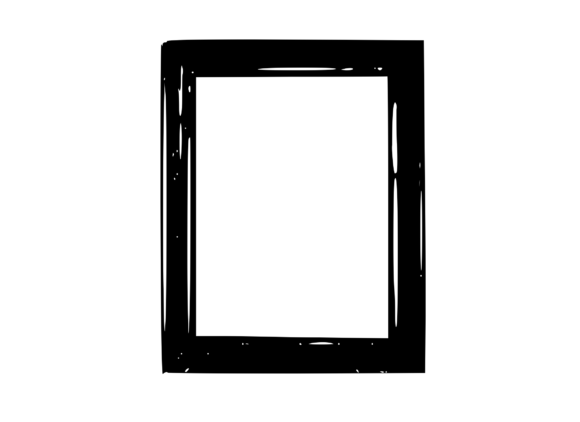
Graphic Frame 14 immediately catches the eye with its sharp lines, balanced composition, and subtle texture. The design feels intentional—each element serves a purpose without overwhelming the viewer. Its minimalist approach makes it adaptable to a wide range of themes, from casual to elegant. The frame itself is not just a border but a statement piece that can elevate any project.
The layout suggests it’s ideal for embroidered patches, tote bags, and baby items where a clean, professional look is essential. It also has potential as a decorative accent on sweatshirts, caps, and pillow covers. The level of detail is moderate, which means it won’t require excessive stitch density, making it suitable for both beginners and experienced embroiderers.
Real-World Use: How Graphic Frame 14 Performs in Embroidery Projects
I tested Graphic Frame 14 on several fabrics and found it performs well on medium-weight materials like cotton, canvas, and twill. It holds up nicely on tote bags and sweatshirts, where visibility and durability are key. The design doesn’t require complex stitches like intricate applique or dense satin fills, which makes it efficient for high-volume production.
For small business owners and Etsy sellers, this design could be a valuable addition to your product lineup. It works well as a printable mockup for digital product previews and can be used in boutique branding or holiday gift items. Its simplicity also makes it a great choice for personalized gifts, such as embroidered baby onesies or custom aprons.
One area to be cautious about is using Graphic Frame 14 on dark fabrics. While it’s visible, the contrast may not be as striking as on lighter backgrounds. For best results, test the design on different thread colors and fabric types before committing to a final project.
Where to Use It Carefully: Limitations and Considerations
While Graphic Frame 14 is versatile, there are situations where it may not be the best choice. On small hoop sizes, the design might feel cramped, especially if you’re trying to include additional text or embellishments. Thin or stretchy fabrics can also pose challenges, as the design may pucker or lose definition.
For curved surfaces like caps or hoods, the design may need slight adjustments to fit properly. Tiny lettering or detailed corners could become distorted if the stitch density isn’t optimized. If you plan to use it on layered garments or textured fabrics, make sure to test it first to avoid unwanted results.
Also, consider the intended use. If you're creating a finished product for sale, ensure the design aligns with your brand’s style and quality standards. For commercial embroidery projects, check licensing terms to confirm it’s suitable for resale or redistribution.
Impact on Visual Appeal and Customer Perception
Graphic Frame 14 adds a touch of sophistication to any project. Its clean lines and balanced proportions create a sense of professionalism that appeals to customers looking for quality handmade products. When used on custom apparel or personalized gifts, it can significantly boost the perceived value of the finished item.
From a marketing perspective, this design is highly recognizable and easy to promote. It fits well in Etsy listings, craft fair displays, and social media content. Its visual appeal helps build customer trust, especially when paired with high-quality stitching and proper stabilizer use.
For small shop owners, Graphic Frame 14 can be a reliable asset in your design library. It’s easy to adapt for different products, from holiday decorations to everyday wear, making it a flexible tool for seasonal or year-round sales.
Practical Tips for Embroidery Designers
If you’re planning to use Graphic Frame 14 in your next project, here are some practical steps to ensure success:
- Test on scrap fabric before applying it to your final piece. This helps identify any issues with stitch density or fabric compatibility.
- Check thread color contrast against the fabric background. A bold color may work better than a muted tone depending on the project.
- Review stitch density to ensure the design isn’t too tight or too loose. Adjust as needed for different fabric types.
- Confirm hoop size requirements. Some designs may need a larger hoop for optimal placement and clarity.
- Inspect small details closely. Even minor imperfections can affect the final appearance, especially on delicate or intricate parts of the design.
- Test in black and white mockups to see how the design looks without color. This helps assess its overall impact and readability.
- Compare light and dark fabric backgrounds to determine the best visual outcome for your specific project.
- Use proper stabilizer for stretchy or thin fabrics to prevent puckering or distortion.
- Confirm licensing before selling finished items or digital products. Make sure the design is suitable for commercial use.
Conclusion: A Solid Choice for Creative Projects
Graphic Frame 14 is a reliable and stylish machine embroidery design that can enhance a wide range of projects. Its clean, modern look makes it suitable for both personal and commercial use, and its moderate complexity ensures it’s accessible to a broad range of users.
Whether you're an Etsy seller, a small business owner, or a hobbyist, this design offers practical value and visual appeal. With careful testing and thoughtful application, Graphic Frame 14 can become a go-to asset in your embroidery toolkit.