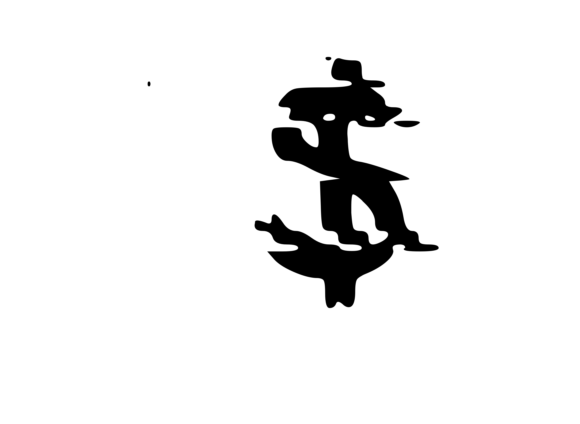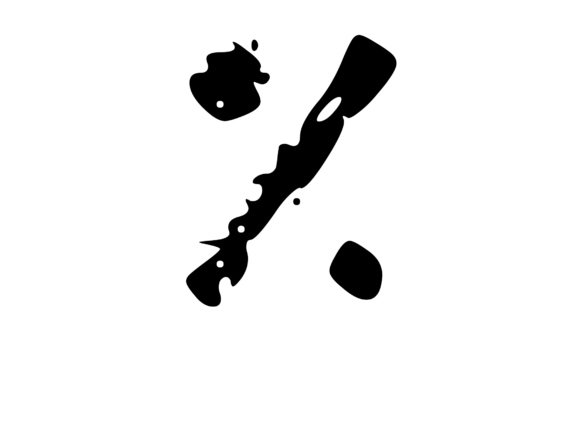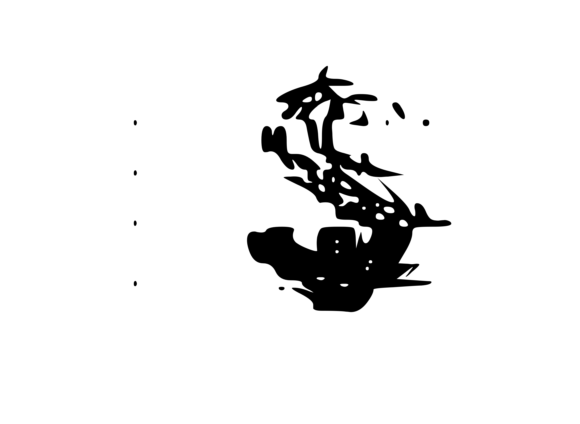
Glitched USA Dollar Symbol 5
As a designer with years of experience in embroidery and digital product creation, I always approach new designs with a critical eye. Glitched USA Dollar Symbol 5 is no exception. This design has a bold, modern aesthetic that immediately catches the eye. The glitch effect adds an edgy, contemporary twist to a classic symbol, making it stand out in a crowded market. It’s perfect for those who want to make a statement without being overly flashy.
First Impressions: A Design That Speaks Volumes
The first thing you notice about Glitched USA Dollar Symbol 5 is its visual personality. The jagged, broken lines and uneven edges give it a sense of movement and energy. It’s not just a dollar sign—it’s a design that tells a story. The layout is clean but intentional, with enough detail to be interesting without becoming overwhelming. This makes it ideal for projects where the design needs to be both recognizable and unique.
It fits naturally into custom apparel, especially items like tote bags, sweatshirts, and caps. The scale is right for these applications, and the overall look works well with both casual and more stylized outfits. Whether you're creating a handmade product for your Etsy shop or designing for a small business, this symbol has the potential to elevate your work.
Real-World Embroidery Performance
When testing Glitched USA Dollar Symbol 5 on different fabrics, I found it performs best on medium-weight materials like cotton or polyester blends. On lighter or stretchy fabrics, the design can sometimes lose some of its definition, especially if the stitch density isn’t adjusted properly. For thicker fabrics, like denim or canvas, the design holds up well and maintains its sharpness.
One of the key factors in how this design looks after stitching is the stitch type. Satin stitches work well for the main outlines, while fill stitches help add depth to the glitch effects. However, the intricate details may require a running stitch or a combination of stitches to ensure clarity. If you're planning to use this as an applique design, you’ll need to pay close attention to the stabilizer and fabric texture to avoid puckering or distortion.
For small hoop sizes, this design might be challenging. The complexity of the glitch elements could lead to skipped stitches or incomplete areas if the hoop isn't large enough. It’s best suited for larger hoops, especially when working on curved surfaces like caps or baby items. If you're using it on a patch, make sure the hoop size accommodates the entire design to avoid cutting off any parts.
Where to Use It With Caution
While Glitched USA Dollar Symbol 5 is versatile, there are situations where it might not be the best choice. On dark fabrics, the design can appear too subtle unless you’re using a contrasting thread color. Thin or textured fabrics may also cause issues, as the intricate details can get lost or distorted during stitching.
For products that will be washed frequently, like kitchen towels or baby clothes, it’s important to test the design thoroughly. Dense stitch areas may cause the fabric to wear faster, so adjusting the stitch density could help maintain the integrity of the finished product. Additionally, if you're planning to use this on layered garments or items with curved surfaces, consider how the design will look when stitched onto those shapes.
Impact on Visual Appeal and Customer Perception
This design has the potential to significantly enhance the visual appeal of any project. Its unique style can make a handmade product stand out in a competitive marketplace. When used effectively, it can increase the perceived value of a finished product, especially if paired with high-quality thread colors and proper finishing techniques.
From a customer perspective, the glitch effect is eye-catching and memorable. It adds a modern flair that appeals to a younger demographic, which is great for Etsy sellers or small shop owners targeting trend-conscious buyers. However, it's important to consider the target audience—some customers may find the design too unconventional for certain applications, like formal gifts or traditional home decor.
For commercial embroidery projects, this design can be a valuable asset. It works well for boutique branding, personalized gifts, and holiday-themed items. Just make sure the design aligns with your brand’s overall aesthetic before incorporating it into your product line.
Practical Designer Notes
Before finalizing any project with Glitched USA Dollar Symbol 5, I recommend doing a few key tests. First, try it on scrap fabric to see how the stitch density affects the outcome. Then, check the contrast between the thread color and the fabric to ensure visibility. If you're using it for a printable mockup or digital product preview, test it in black and white to see how it translates without color.
Also, make sure the design works on both light and dark backgrounds. Some elements may not show up as clearly on darker fabrics, so adjusting the design or choosing a different thread color could be necessary. Proper stabilizer use is crucial, especially for delicate or stretchy fabrics, to prevent puckering or distortion.
Finally, always confirm the licensing terms before selling any finished items or digital products. Even though this design is described as a great choice for artists and crafters, specific restrictions may apply depending on the source. Double-checking these details ensures you stay compliant and avoid any legal issues down the line.
Conclusion: A Bold Choice for Creative Projects
Glitched USA Dollar Symbol 5 is a strong addition to any embroidery designer’s toolkit. Its unique style and modern feel make it suitable for a wide range of applications, from custom apparel to small business merchandise. While it requires careful handling in certain situations, the payoff in terms of visual impact and customer engagement is worth the effort.
Whether you're an Etsy seller, a craft business owner, or a creative entrepreneur, this design offers a fresh way to express your brand and stand out in the market. Just remember to test it thoroughly, adjust for fabric and stitch requirements, and always consider the end user’s preferences before finalizing your project.