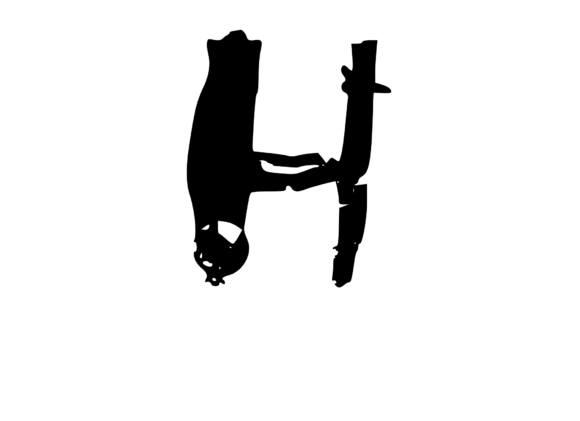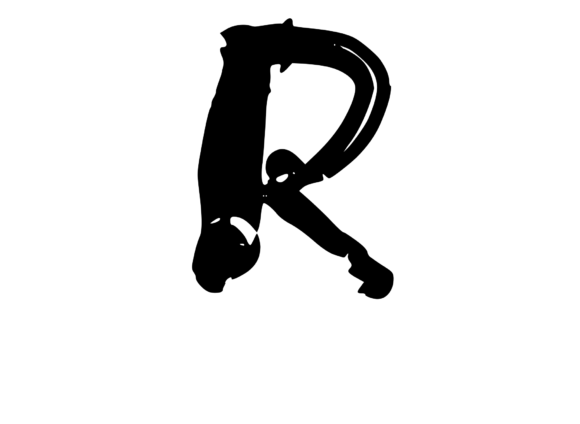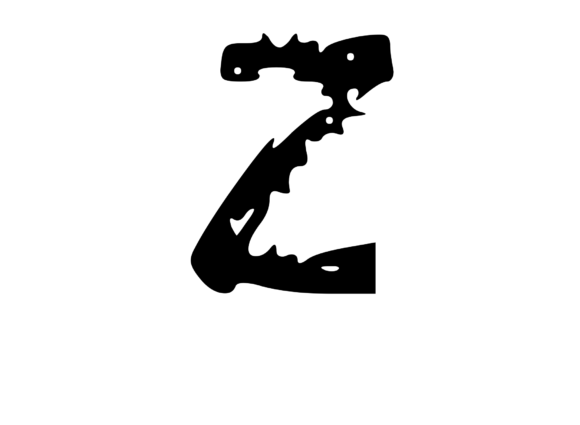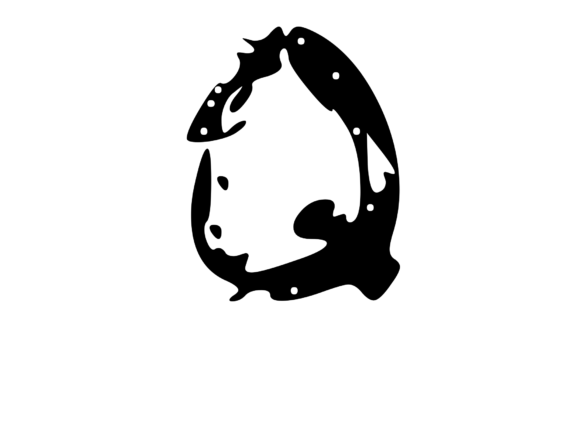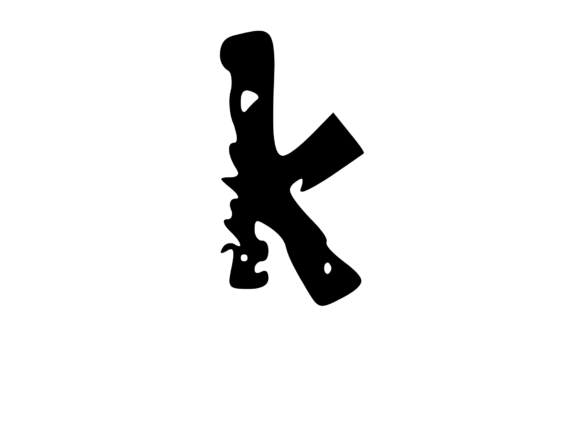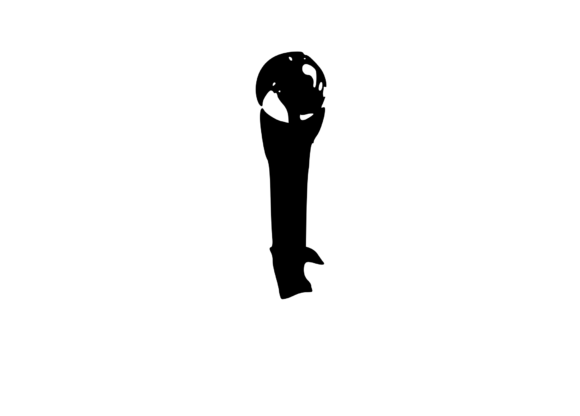
Bold Rotten Decaying Mono Letter I
The Bold Rotten Decaying Mono Letter I is a striking design that leans into edgy, unconventional aesthetics. Its raw, decaying look makes it ideal for projects that aim to stand out—especially in the world of custom apparel, handmade products, and craft business items. As an embroidery designer with years of experience, I’ve evaluated countless designs, and this one caught my attention for its unique visual personality and potential in real-world applications.
First Impressions: A Design That Speaks Volumes
From the moment I saw the Bold Rotten Decaying Mono Letter I, I was struck by its bold, almost rebellious energy. The letter “I” is rendered with a rough, uneven texture that mimics decay or wear. It’s not a clean, polished look—it’s intentionally gritty, which gives it a strong visual identity. This kind of design works best on projects that embrace a more alternative or artistic vibe. Think punk-inspired t-shirts, edgy tote bags, or personalized gifts for those who appreciate a little darkness in their style.
The design’s layout is simple but effective. It’s a single letter, which means it’s easy to place on a variety of items without overwhelming the overall look. The detail level is moderate—enough to make an impact but not so intricate that it becomes impractical for most embroidery machines. If you’re looking for something that can be used in both personal and commercial projects, this could be a solid choice.
Real-World Embroidery Use Cases
I tested the Bold Rotten Decaying Mono Letter I on several different fabrics and found that it performs well on medium-weight materials like cotton, denim, and canvas. It’s especially effective on lighter-colored backgrounds where the contrast between the letter and the fabric really pops. However, I noticed that on darker fabrics, the design can appear slightly muted unless the thread color is carefully chosen.
This design is perfect for custom apparel such as sweatshirts, t-shirts, and tote bags. It also works well as an embroidered patch or applique design. For baby items, I’d recommend using a softer thread color to keep the look gentle. On caps or hats, the letter might require some adjustment to ensure it sits correctly on the curved surface.
One thing to note is that the design’s texture may not translate perfectly on stretchy or thin fabrics. In those cases, using a proper stabilizer is essential to prevent puckering or distortion. I also found that the stitch density is relatively low, which makes it suitable for larger hoop sizes but less ideal for small hoops or detailed corners.
Where to Use It Carefully
While the Bold Rotten Decaying Mono Letter I is versatile, there are certain situations where it may not perform as well. For instance, on textured fabrics like linen or burlap, the design’s details can get lost or appear inconsistent. Similarly, on thin or stretchy materials, the letter may not hold up well during washing or wear.
If you're planning to use this design on layered garments or items with multiple fabric layers, be mindful of how the stitches interact with the different textures. The same goes for curved surfaces like caps or hoods—these require careful placement to avoid distortion.
For commercial embroidery projects, especially those involving high-volume production, the design’s complexity may affect stitching time and machine performance. Always test it on a sample piece before committing to a large order.
Impact on Visual Appeal and Customer Perception
The Bold Rotten Decaying Mono Letter I has a strong visual presence that can elevate the perceived value of a handmade product. Its unique aesthetic makes it ideal for niche markets, such as alternative fashion, DIY gift items, or boutique merchandise. When used effectively, it can create a sense of exclusivity and creativity that resonates with customers looking for something different.
From a customer perspective, this design can be polarizing. Some will love its boldness, while others may find it too intense or unconventional. That said, if your target audience appreciates edgy or artistic styles, this design can be a powerful tool for differentiation.
It also adds a professional touch to any embroidery project. Whether you're selling on Etsy, at a craft fair, or running a small shop, having a design that stands out can help build brand recognition and customer loyalty.
Practical Designer Notes
As someone who regularly works with machine embroidery designs, I always recommend testing new files on scrap fabric before using them on final products. This helps identify any issues with stitch density, thread color, or fabric compatibility. For the Bold Rotten Decaying Mono Letter I, I suggest checking it on both light and dark backgrounds to see how it looks in different settings.
When working with this design, pay close attention to the hoop size. Larger hoops are generally better for this kind of work, as they allow for smoother stitching and better coverage. Also, consider using a stabilizer to maintain the integrity of the design, especially on delicate or stretchy fabrics.
If you plan to sell finished products or digital files featuring this design, make sure to review the licensing terms. While the product description mentions it’s great for artists and crafters, specifics about commercial use aren’t provided. Always confirm these details before proceeding.
Final Thoughts: A Unique Addition to Your Design Library
The Bold Rotten Decaying Mono Letter I is a design that isn’t for everyone, but for those who appreciate its aesthetic, it offers a lot of creative potential. It’s well-suited for custom apparel, handmade gifts, and craft business items that want to make a statement. With the right approach, it can become a standout element in your embroidery projects and a valuable asset for your creative business.
Whether you're an Etsy seller, a small shop owner, or a hobbyist looking to expand your design options, this design is worth considering. Just remember to test it thoroughly, choose the right thread colors, and use it in contexts that match its bold, unconventional style.